
Views: 0 Author: Site Editor Publish Time: 2025-12-18 Origin: Site
When customers walk into a showroom or browse an online catalog, their eyes are immediately drawn to the upholstery. They notice the texture of the velvet, the grain of the leather, or the pattern of the fabric. They test the cushioning for comfort and admire the silhouette for style. Yet, the most critical component of that chair is the one they usually cannot see: the frame.
The frame is the skeleton of any seating furniture. It dictates the chair's lifespan, its weight capacity, and its ability to withstand daily wear and tear. While wood has traditionally held the top spot in furniture design, metal frames have surged in popularity for residential and commercial applications. They offer a blend of modern aesthetics and industrial-grade durability that organic materials often struggle to match.
For furniture designers, interior decorators, and procurement managers, understanding the nuances of frame construction is vital. It is the difference between a product that lasts a generation and one that ends up in a landfill within a few years.
A chair is a complex piece of engineering. It must support dynamic loads—people shifting their weight, dropping into the seat, or leaning back—without buckling. The frame absorbs these stresses. If the joints are weak or the material is substandard, the chair will eventually wobble, creak, or collapse.
Metal frames provide a distinct advantage regarding structural integrity. Unlike wood, which can warp due to humidity or crack along the grain, metal is isotropic. This means it has uniform properties in all directions. A steel or aluminum tube provides consistent strength, ensuring the furniture maintains its shape regardless of environmental conditions.
The shift toward metal is not just about durability; it is also about design flexibility. Metal can be bent, welded, and molded into shapes that would be impossible or prohibitively expensive to achieve with wood.
Metal frames are impervious to pests like termites and are highly resistant to fire. When treated properly—such as with powder coating or galvanization—they become resistant to rust and corrosion, making them ideal for both indoor and outdoor settings.
From the sleek, chrome-plated lines of mid-century modern designs to the rugged, matte black finish of industrial styles, metal offers a chameleon-like ability to adapt. Manufacturers can create thin, elegant profiles that still support significant weight, allowing for airy, minimalist designs that don't clutter a room visually.
While high-end metals exist, standard steel and aluminum options are often more cost-effective to produce at scale than solid hardwoods. This allows furniture brands to offer durable products at a competitive price point.
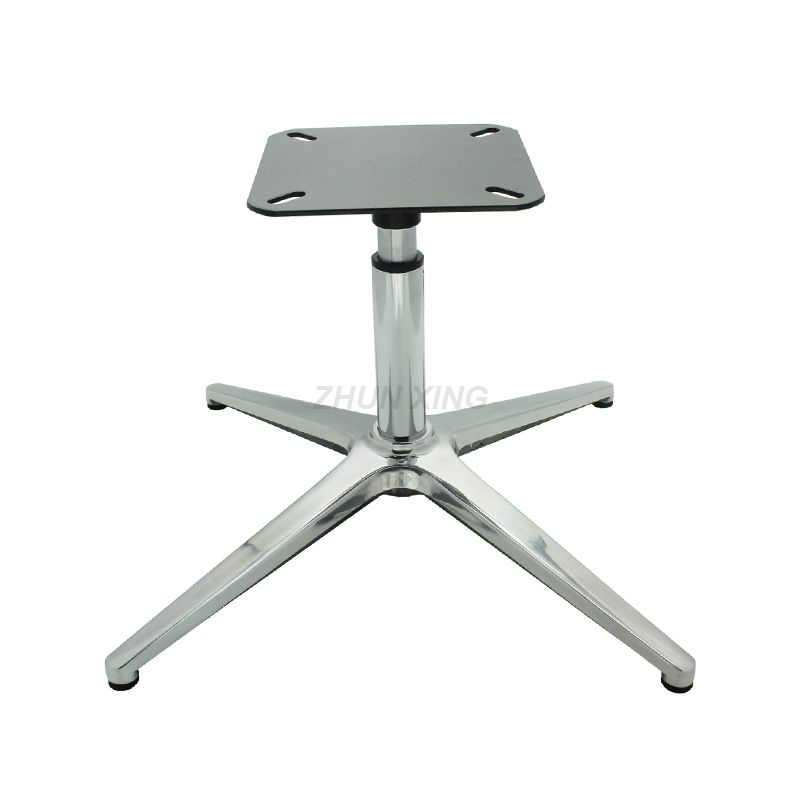
To better understand where metal stands in the hierarchy of furniture materials, it is helpful to look at a direct comparison.
Feature | Metal (Steel/Aluminum) | Solid Hardwood | Plywood/Engineered Wood |
Durability | High impact resistance; fire and pest proof. | High, but susceptible to humidity and scratching. | Moderate; can delaminate or warp over time. |
Weight | Steel is heavy; Aluminum is light. | Generally heavy. | Light to Moderate. |
Maintenance | Low; wipe clean. | Moderate; requires polishing and humidity control. | Low. |
Design Flexibility | High; can be bent into complex curves. | Moderate; limited by grain direction. | Low; usually boxy structures. |
Lifespan | 15-30+ years. | 10-20+ years (heirlooms longer). | 5-10 years. |
Finding the right partner to produce your furniture components is as important as the design itself. The market is saturated, but not all metal chair frame manufacturers adhere to the same quality standards. When vetting a potential supplier, you must look beyond the price tag.
Ask about the grade of metal being used. Is it commercial-grade steel? Is the aluminum aircraft-grade? Lower-quality metals may contain impurities that make them brittle. A reputable manufacturer will be transparent about their raw material sourcing.
The joints are the weakest points of any metal frame. Poor welding leaves visible scars and, more importantly, structural weak spots. Look for manufacturers who utilize robotic welding for consistency or employ highly skilled certified welders for hand-finished pieces. The welds should be smooth, continuous, and free of porosity.
The raw metal frame is rarely the finished product. The manufacturer should offer advanced finishing options. Powder coating is the industry standard for durability, providing a thick, protective layer that resists chipping. Electroplating is another option for achieving high-shine finishes like gold or copper.
Your design needs might change. The best manufacturers offer prototyping services, allowing you to test a single unit before committing to a mass order. This step is crucial for checking ergonomics and stability.
In the competitive landscape of furniture component manufacturing, certain names stand out due to their commitment to precision. ZhunXing Hardware is a prime example of a manufacturer that understands the balance between robust engineering and aesthetic appeal.
ZhunXing Hardware specializes in creating high-quality metal components that serve as the backbone for various furniture types. Their approach focuses on rigorous quality control during the production process. By utilizing advanced machinery and skilled craftsmanship, they ensure that every frame leaving their facility meets strict tolerance levels.
For furniture brands looking to scale, partnering with a specialist like ZhunXing Hardware eliminates the guesswork. It ensures that the foundation of the furniture—the frame—matches the promise of quality made to the end consumer.
Stainless steel is often considered the best for heavy-duty indoor use due to its strength and resistance to rust. However, aluminum is the superior choice for outdoor furniture or stackable chairs because it is lightweight and naturally corrosion-resistant.
Maintenance is generally minimal. Regular dusting and wiping with a damp cloth are usually sufficient. If the frame is painted or powder-coated, avoid using abrasive cleaners that could scratch the finish. For chrome frames, a specialized metal polish can restore shine and remove oxidation.
Yes, metal frames are excellent candidates for reupholstery. Because the frame itself rarely degrades, you can simply strip the old fabric and foam and replace them. This makes metal frame chairs a sustainable choice, as they can be refreshed rather than discarded.
The frame provides the support, not the comfort surface. Comfort depends on the ergonomics of the frame's design (the angle of the backrest, the height of the seat) and the quality of the cushioning or suspension materials used on top of the frame. A well-designed metal chair is just as comfortable as a wooden one.
The furniture industry is shifting away from "fast furniture" and toward pieces that offer longevity and sustainability. The frame is central to this shift. By prioritizing high-quality materials and partnering with expert metal chair frame manufacturers, designers can create products that withstand the test of time.
Whether you are outfitting a bustling restaurant, a corporate office, or a cozy living room, the stability of the seating relies entirely on what lies beneath the upholstery. Investing in superior hardware, such as the components produced by ZhunXing Hardware, is an investment in your brand's reputation. Strong bones make for strong furniture.


